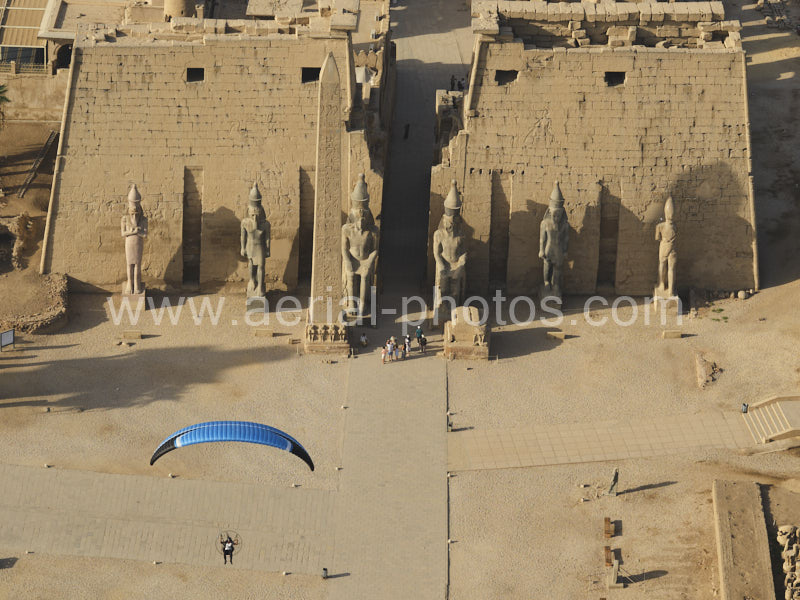
Paramotorist enjoying a bird’s-eye view of one of the many wonders that dot the landscape in the Luxor area in Upper Egypt. Here, the pilot approaches the imposing north-facing entrance of the Luxor Temple. The seated statue of Ramesses II to the right of the obelisk has an impressive height of 14 meters.
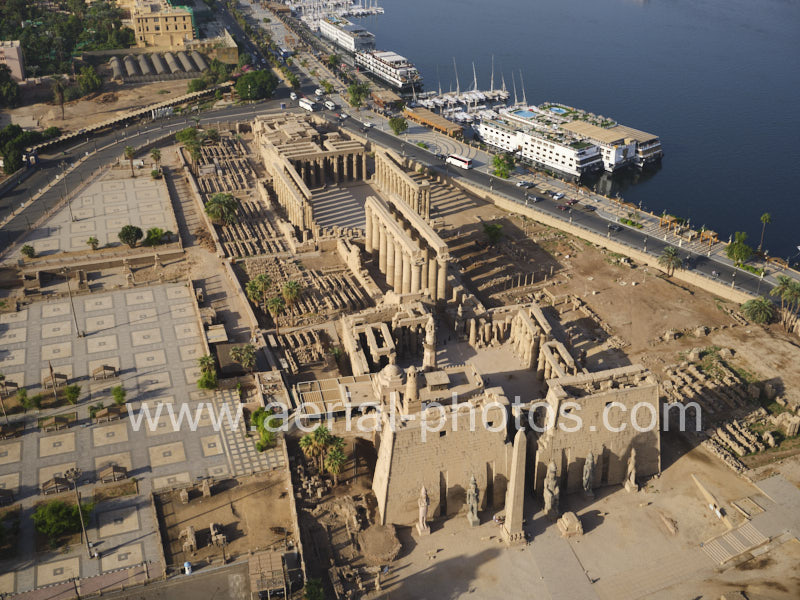
Located in the city of Luxor on the east bank (and right bank) of the Nile River, the Luxor Temple is a large Egyptian temple complex that was constructed around 1400 BCE. Along other sites in the area, the Luxor temple was inscribed on the UNESCO World Heritage list in 1979. Luxor, Egypt.
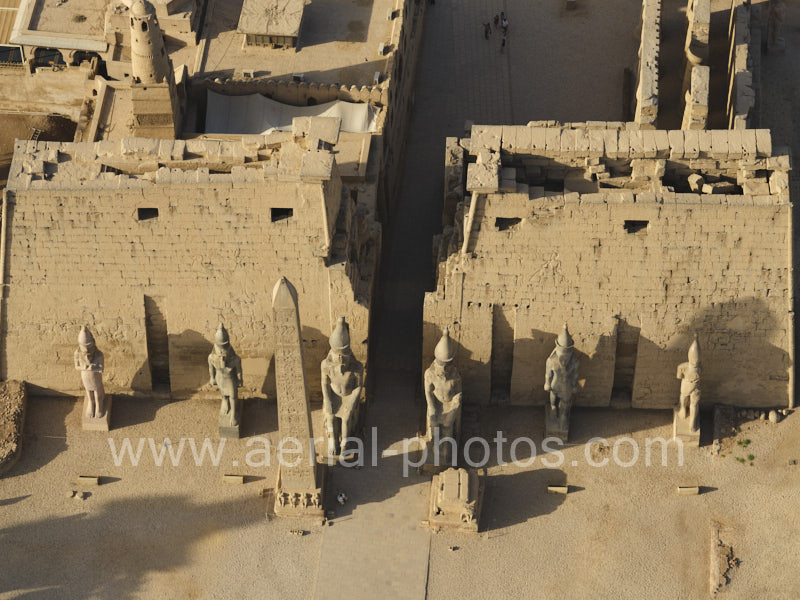
The entrance of the Luxor Temple is flanked by a lofty obelisk. It is 25 meters tall and weighs approximately 222 to 250 tons. Until 1832, there were two obelisks. The missing obelisk can be seen outdoors at the Place de la Concorde in Paris. It was a gift of Egypt to France and became the oldest monument in the French capital. The approximately 3300-years-old gifted obelisk predates the foundation of Paris. Luxor, Egypt.
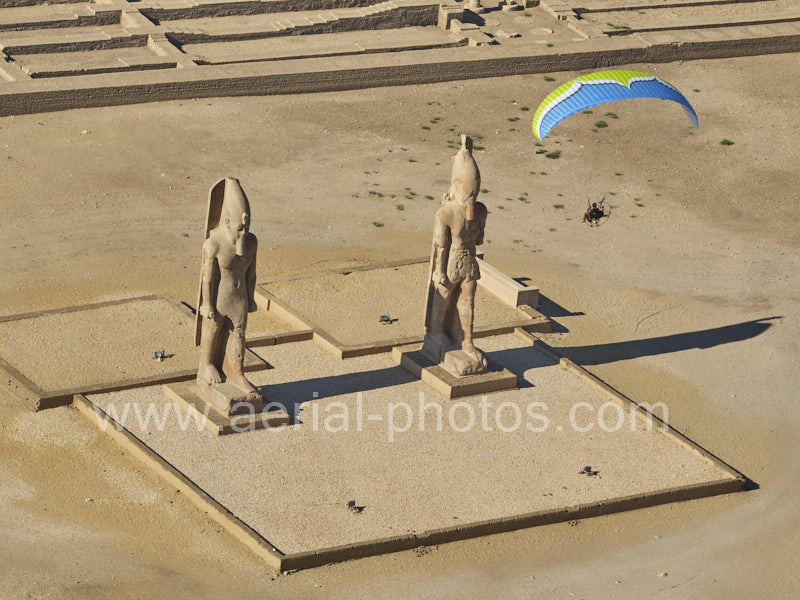
Paramotor flying towards the statues of Amenhotep III. Luxor, Egypt.
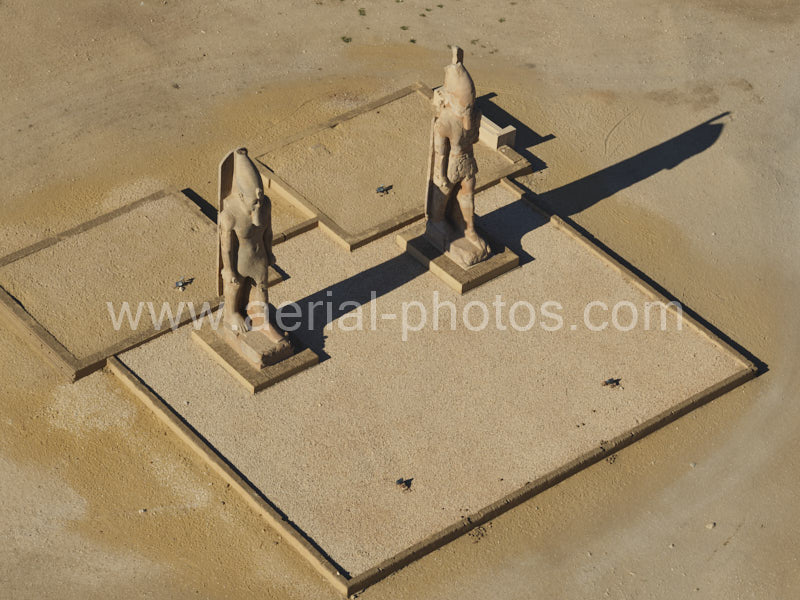
The two statues of Amenhotep III. Luxor, Egypt.
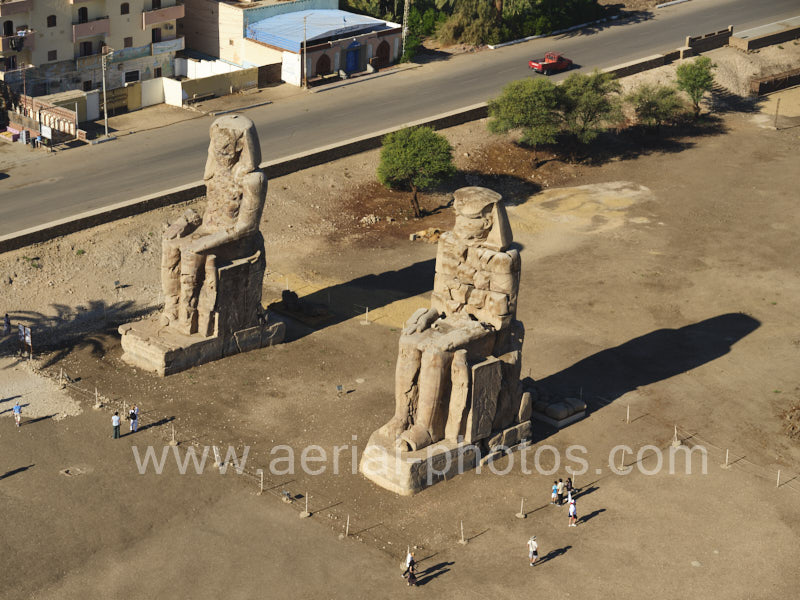
The Colossi of Memnon are two giant statues depicting Pharaoh Amenhotep III. They are located 3 km from the west bank (and left bank) of the Nile River, they stand at the entrance of the ruined Mortuary Temple of Amenhotep III. The 18-meter-tall twin statues were completed circa 1350 BCE. Luxor, Egypt.
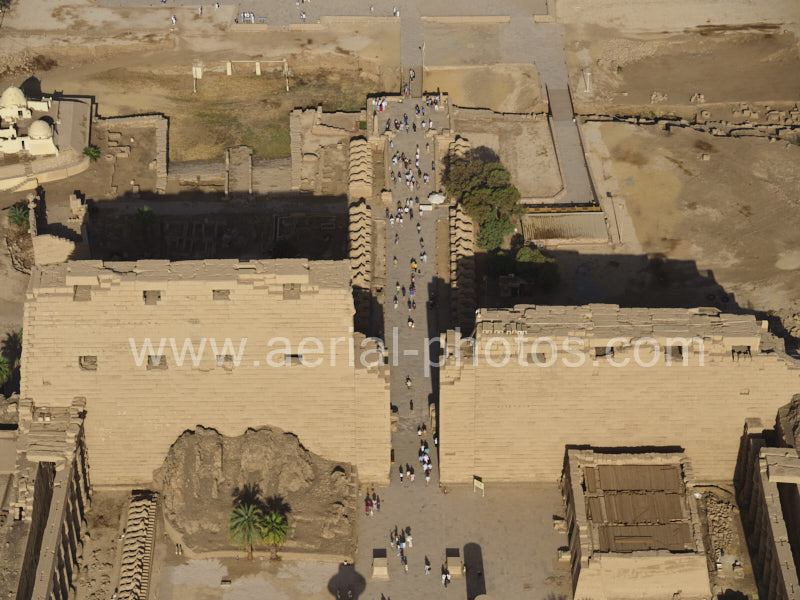
Arrival of the first visitors at the western getaway (or First Pylon) at the temple of Karnak. In front of the First Pylon’s south tower, some remains of the mud-brick ramp used to built it can still be seen; they have not been removed.
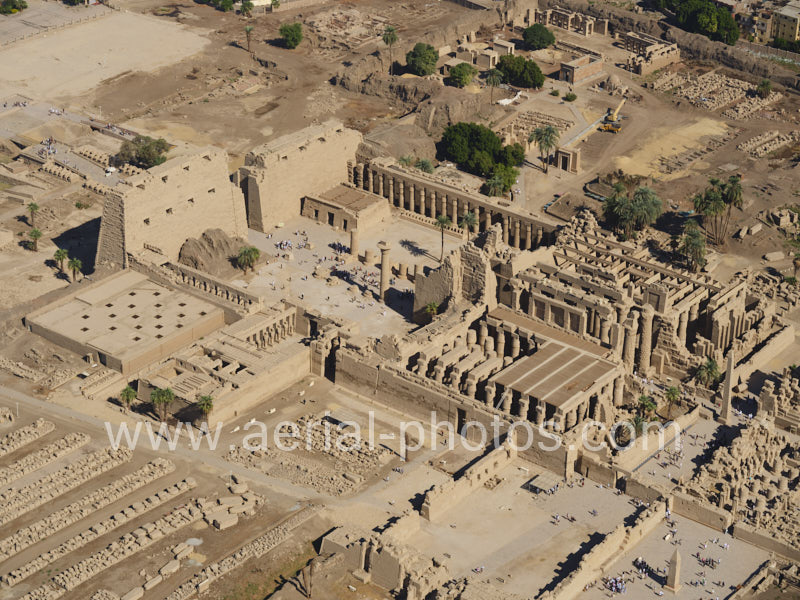
The temple of Karnak viewed from the southeast with the First Pylon in the upper left and the Great Hypostyle Hall on the right. The hypostyle Hall is an architectural wonder consisting of 134 sandstone columns. The hall was built under the reign of Seti I and his son Ramses II.
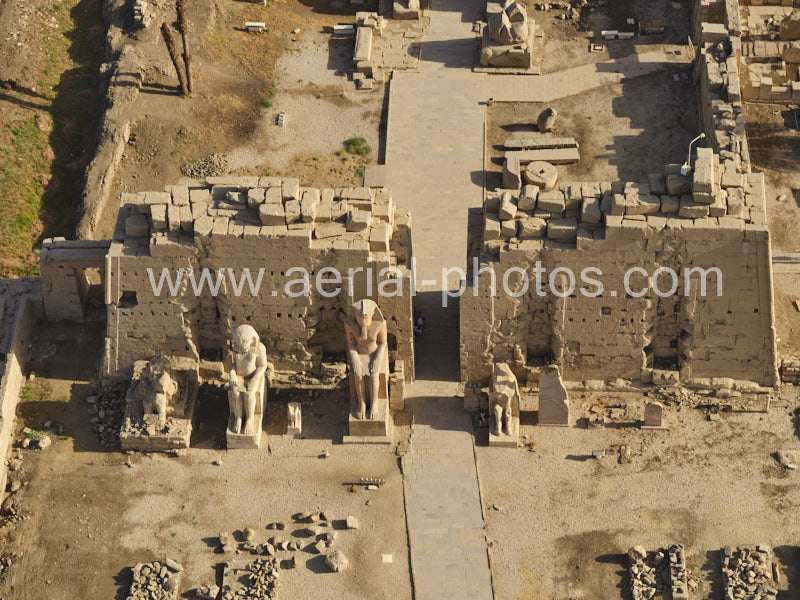
The southwest entrance of the temple of Karnak. The statues, standing in front of the Eight Pylon, are facing towards the temple of Luxor situated 2.6 kilometers away.
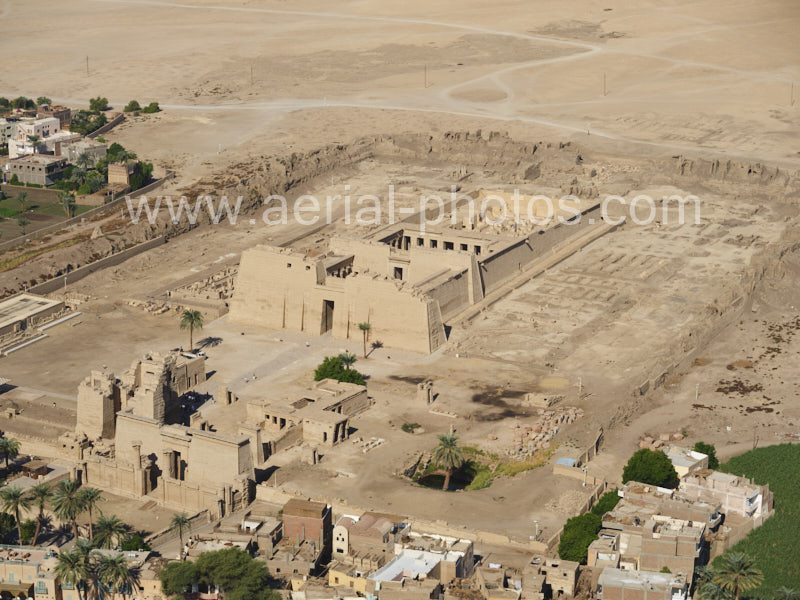
The Temple of Amon. Luxor, Egypt.
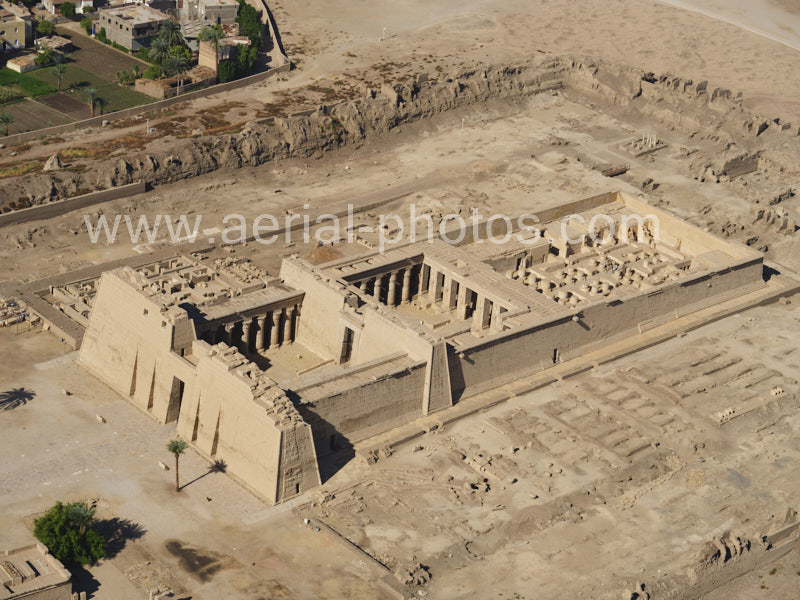
The temple of Amon. Luxor, Egypt.
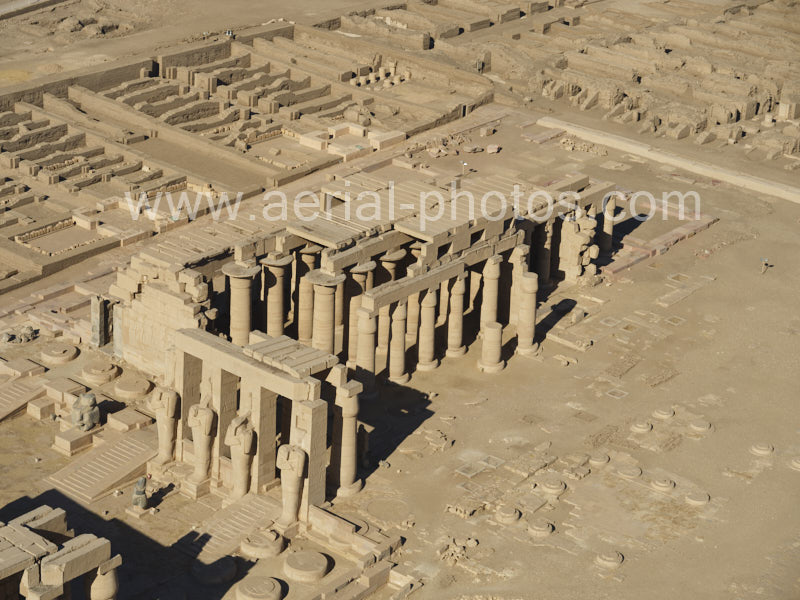
The temple of Ramesseum. Luxor, Egypt.
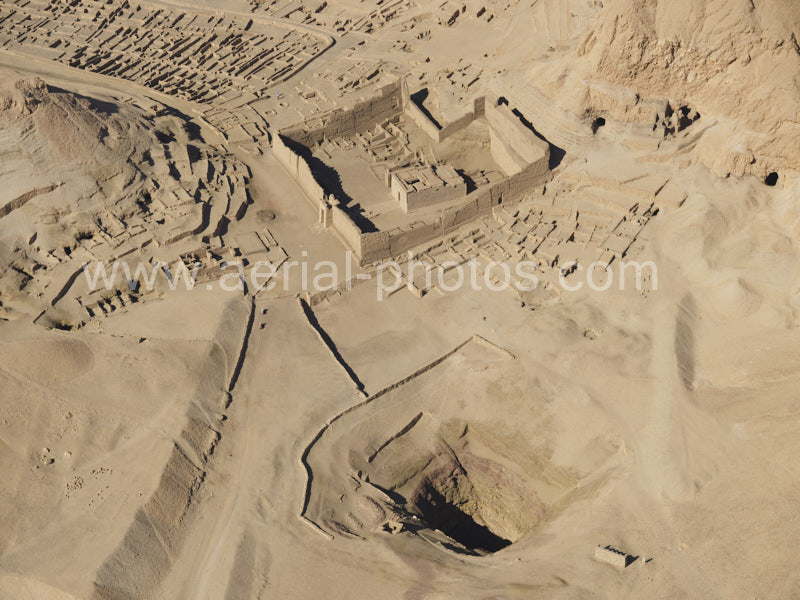
The temple of Deir el-Medina. Luxor, Egypt
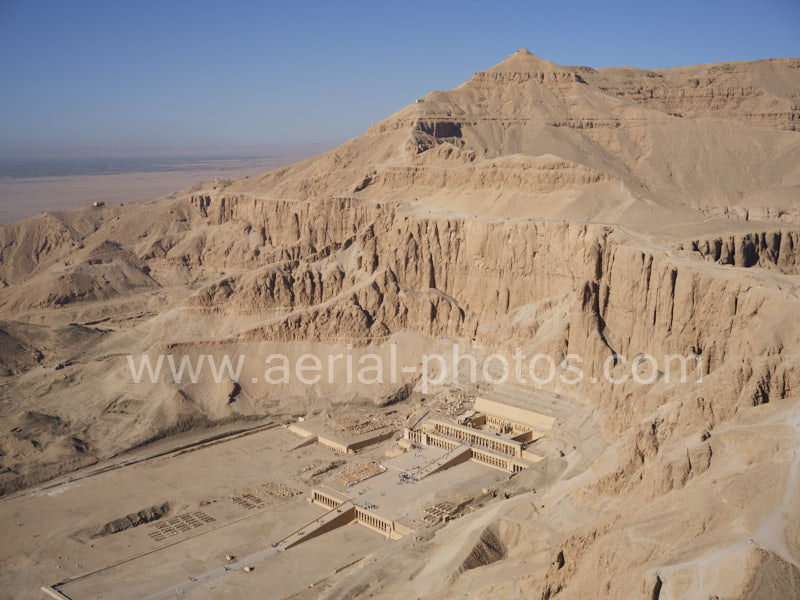
The Theban Hills with the pyramid-shaped Al-Qurn (elevation: 450 meters). It dominates the mortuary temple of Hatshepsut (elevation: 111 meters to 135 meters depending on the specific terrace). The view is striking at the Temple of Hatshepsut, not just the beautiful architecture of the ancient temple but also the backdrop with the sheer Deir el-Bahari cliffs.
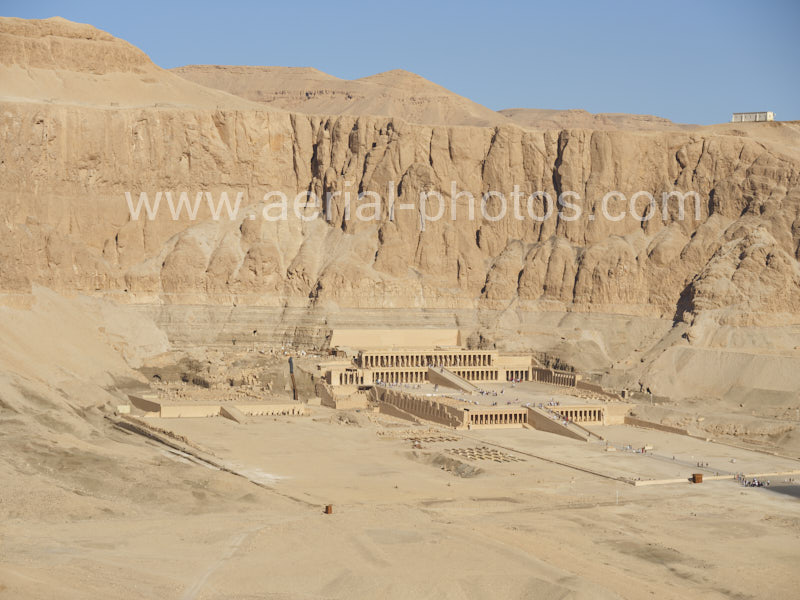
The temple was built under the reign of Hatshepsut. She was a woman who ruled Egypt first as a regent, and later she assumed the position of pharaoh. The temple is in the heart of the Theban Necropolis, which is an area covering about 10 km² where thousands of tombs and scores of temples and giant statues have been found. The necropolis includes the Valley of the Kings where Hatshepsut is buried.
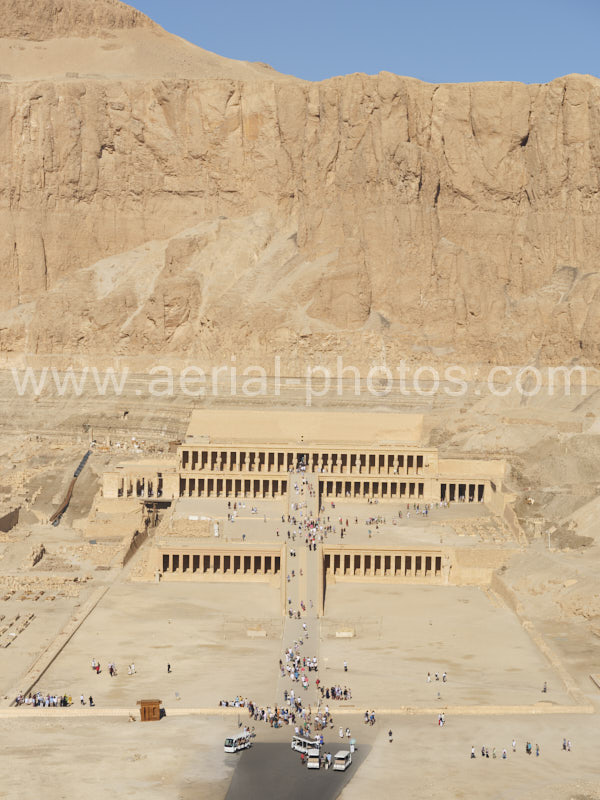
Hatshepsut Temple.
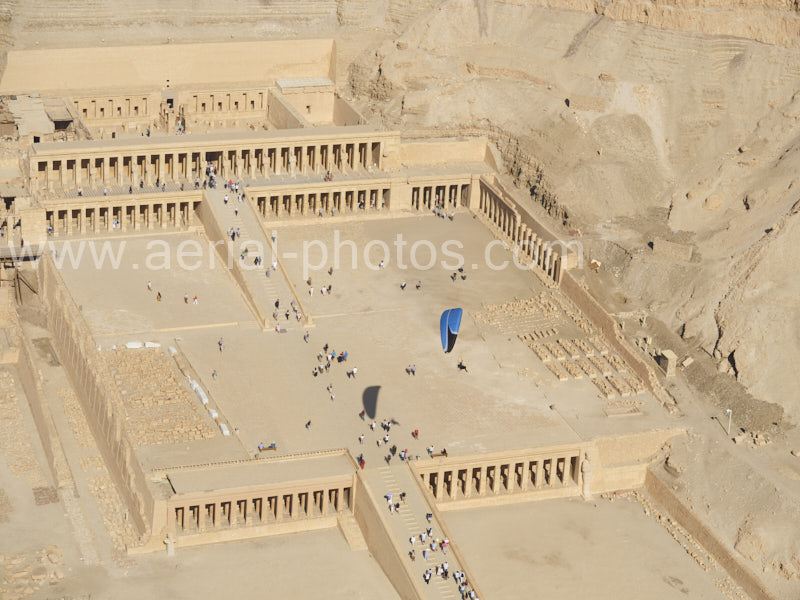
Paramotor flying above the temple of Hatshepsut.
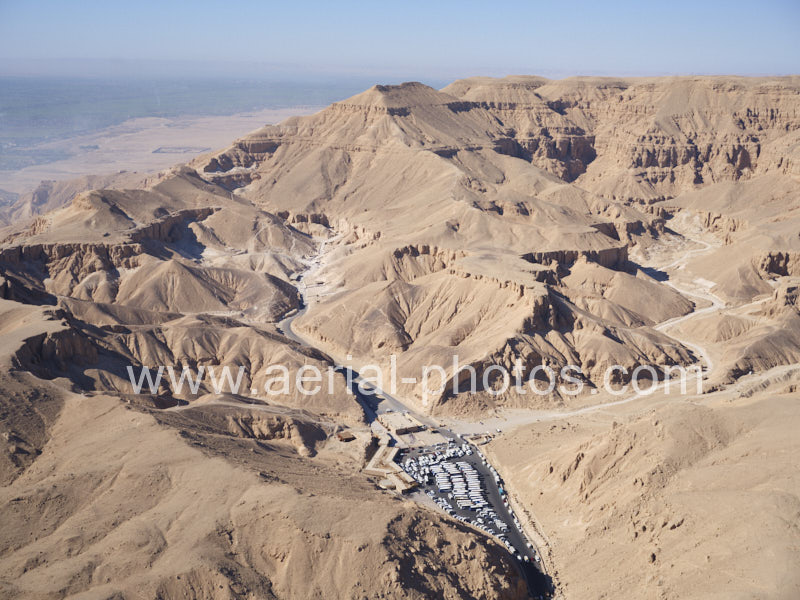
Parking jam-packed with tour buses at the entrance of the Valley of the Kings. Luxor, Egypt.
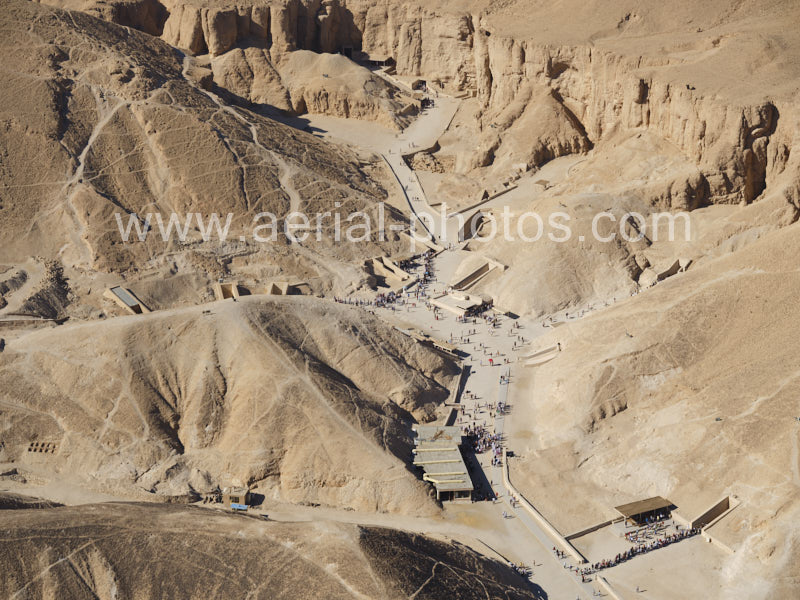
Valley of the Kings. Luxor, Egypt.
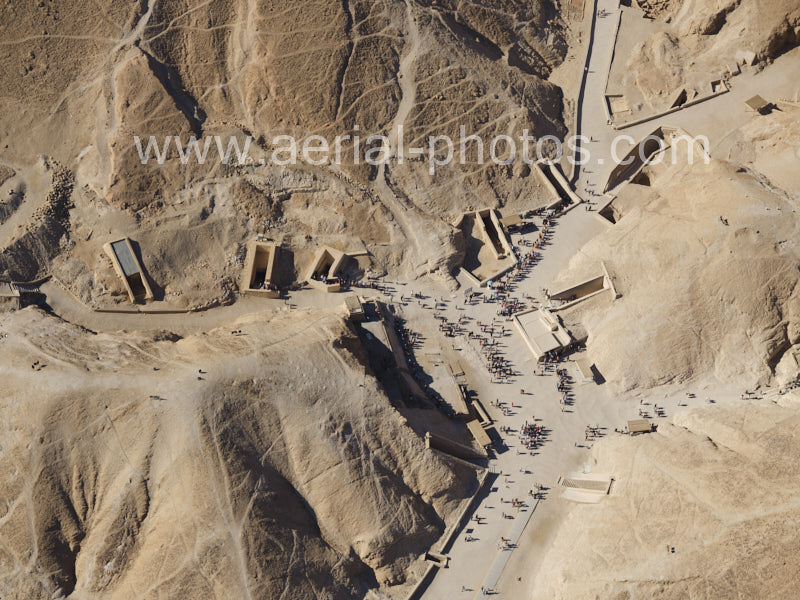
Royal tombs' entrances at the Valley of the Kings. This is at this location that the most famous find in Egyptology took place in 1922 when Howard Carter discovered Pharaoh Tutankhamun’s tomb (middle right with the flat roof in the above photo). The most stunning artifact along Tukankhamun’s mummy was his golden funerary mask which can be viewed at the Grand Egyptian Museum in Giza.