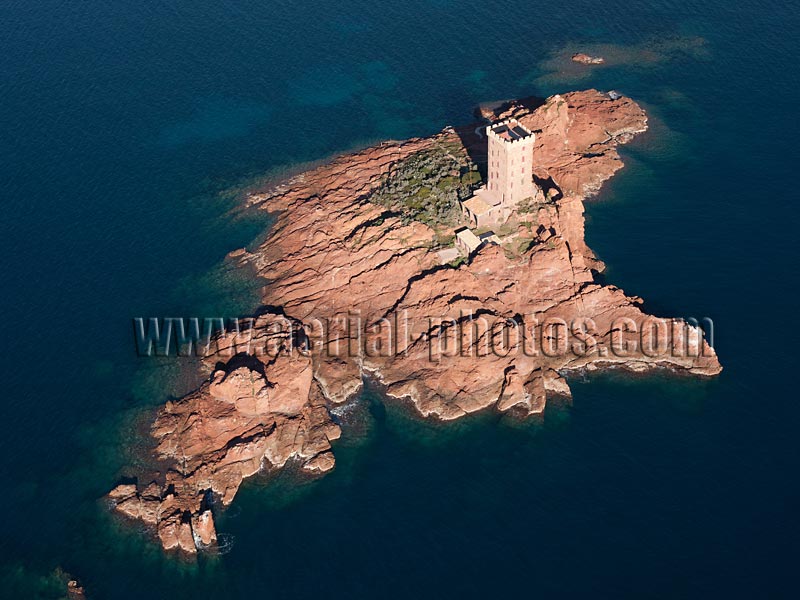
Île d’Or is a private island near Cap Dramont in the Estérel massif. The square tower was built in 1912 by a previous owner, with stones extracted from the island itself, thus blending beautifully with the deep red of the surrounding rhyolite (a rock of volcanic origin). Saint-Raphaël, Var, Provence-Alpes-Côte d'Azur, France.
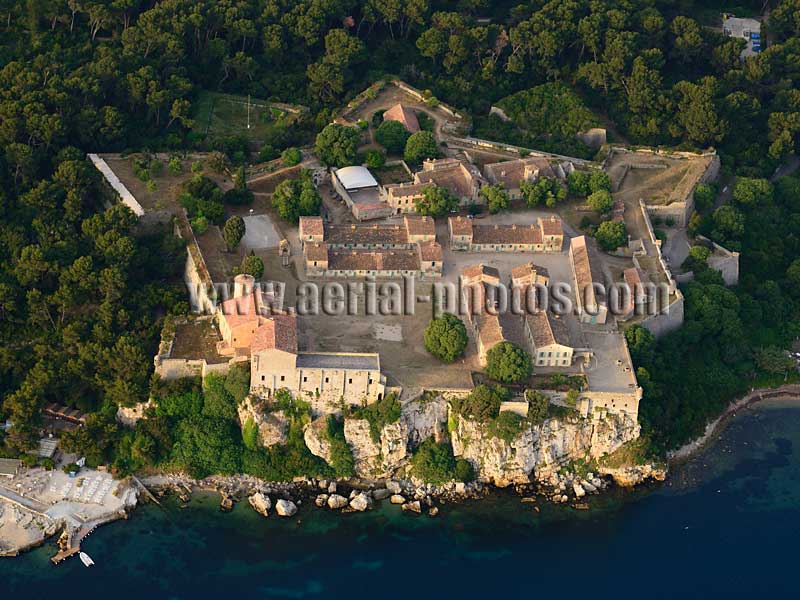
Sainte-Marguerite is one of two islands near the city of Cannes. Traces of a human settlement date back as early as the 5th-century BCE. The pentagonal fortification and the barracks were built in the 17th century. Some of the fortifications were built by the Spanish which occupied the island from 1635 to 1637. In the late 17th-century, the fort became a state prison; its most famous prisoner was the Man in the Iron Mask. Fort Royal. Sainte-Marguerite Island, Lérins Islands, Cannes, Alpes-Maritimes, Provence-Alpes-Côte d'Azur, France.
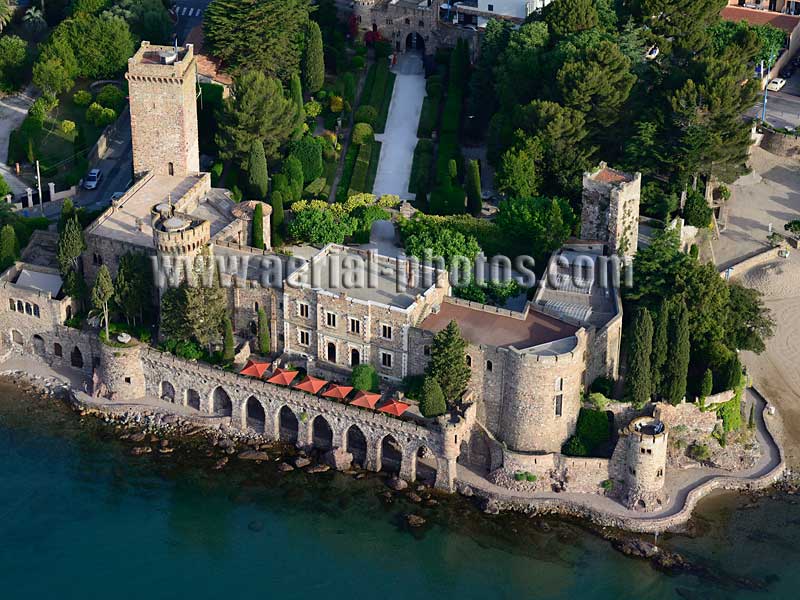
La Napoule Castle was built in the late 14th Century on the Mediterranean shores of La Napoule Gulf. The following centuries were marked by numerous upheavals with invasions and wars. In 1918, the dilapidated castle was bought by Henry and Marie Clews, a wealthy American couple. They devoted the following years to its restoration. Briefly occupied by the Germans during the Second World War, the castle became an art foundation in 1951 under the patronage of Marie Clews. Mandelieu-La Napoule, Alpes-Maritimes, Provence-Alpes-Côte d'Azur, France.
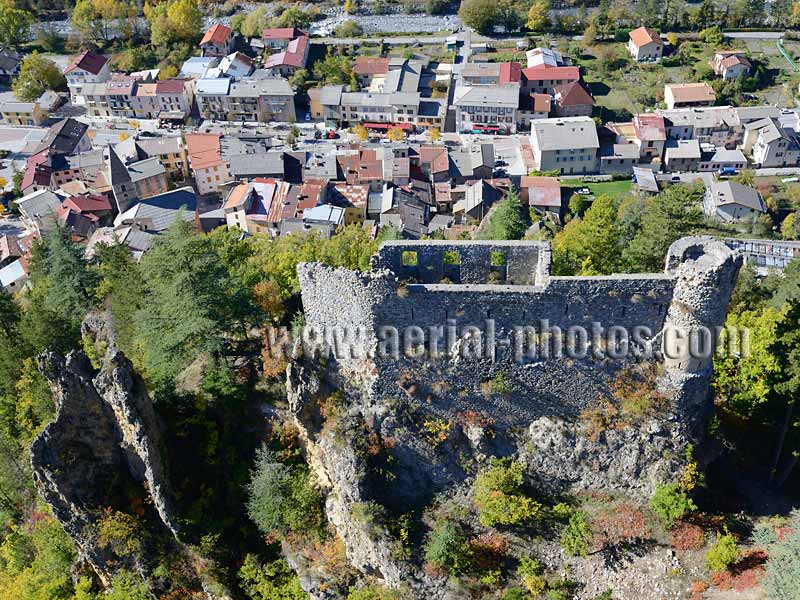
Guillaumes’ Castle, also known as Queen Jeanne’s Castle, was built in the 13th Century on a rocky outcrop overlooking the namesake village on the left bank of the Var River. Between 1700 and 1706, Vauban, the famed architect under King Louis XIV, added new fortifications. Guillaumes, Alpes-Maritimes, Provence-Alpes-Côte d'Azur, France.
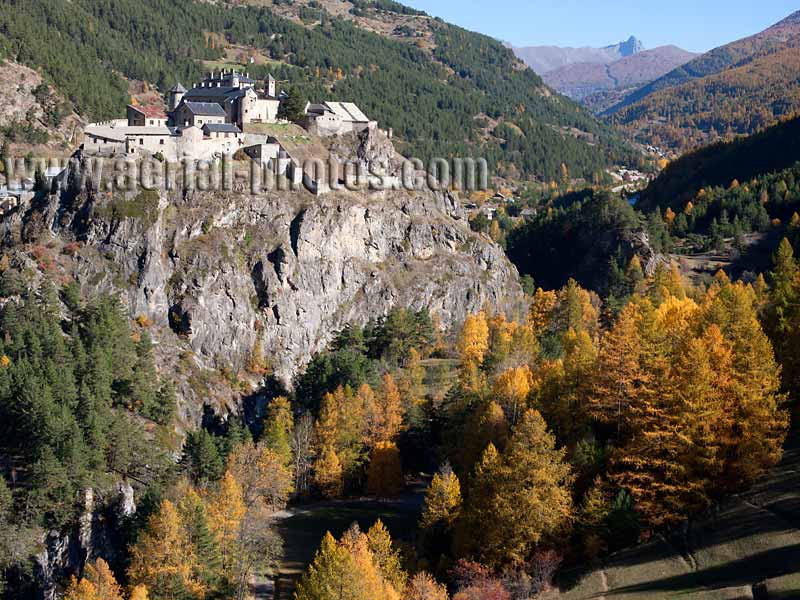
Fort Queyras, formerly known as Château-Queyras, is a castle that dates back to 1265, but the site was probably used as a lookout post much earlier. It is located in the upper Guil Valley, strategically perched on a rocky spur at an altitude of 1,427 meters. The Guil River’s headwaters are on the slopes of Monte Viso (3841m). Château-Ville-Vieille, Hautes-Alpes, Provence-Alpes-Côte d'Azur, France.
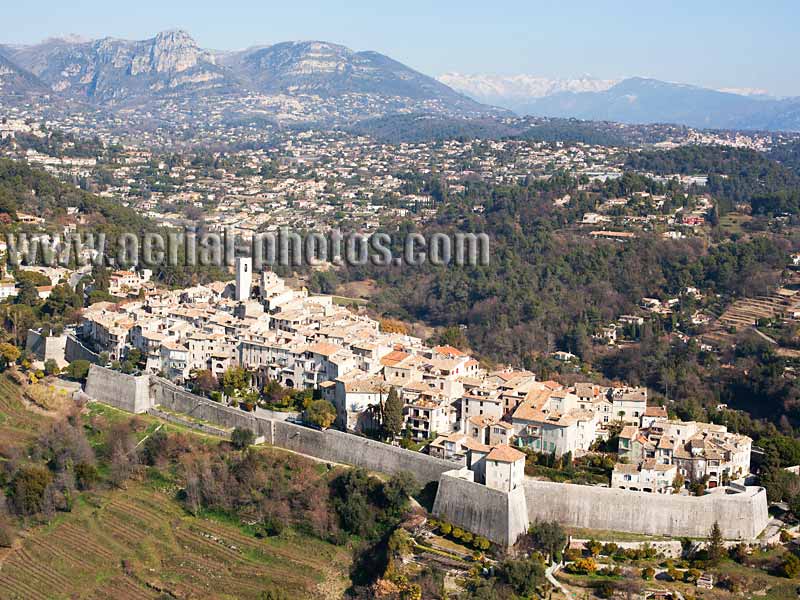
Saint-Paul de Vence is a picturesque medieval village within a bastioned enclosure. From its ramparts, one can see the Mediterranean Sea to the south and the more-than-3000-meters peaks of the Mercantour Alps to the north. The small village is known for its art galleries, museums and restaurants. Many celebrities, locals and internationals, are linked to the village. Saint-Paul de Vence. Alpes-Maritimes, Provence-Alpes-Côte d'Azur, France.
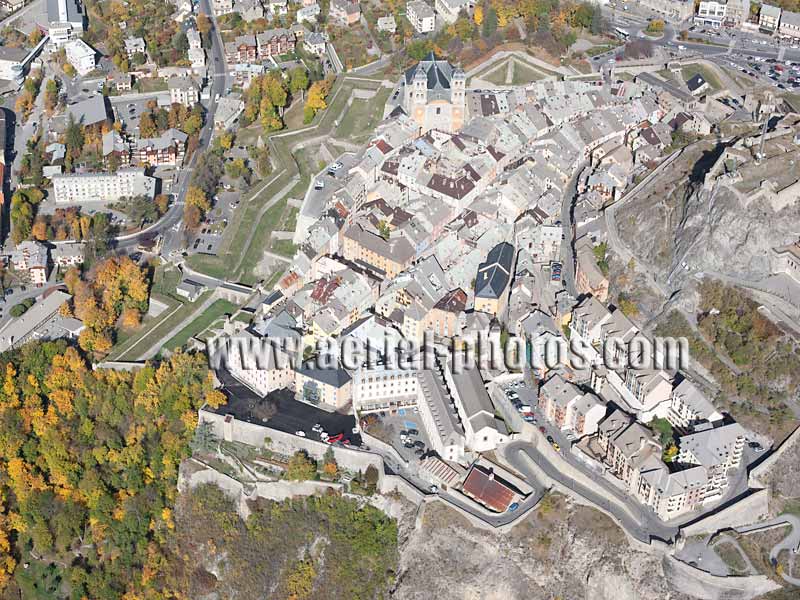
At an elevation between 1200 and 1326 meters, Briançon, in the upper Durance Valley, is France’s highest town (11 339 inhabitants in 2019). The narrow streets of the citadel attract many tourists. Tourism is the most important sector of the local economy. The surrounding mountains attract visitors all-year-round. The highest concentration of military forts, anywhere in the Alps, is found in and around the Old Town. Briançon, Hautes-Alpes, Provence-Alpes-Côte d'Azur, France.
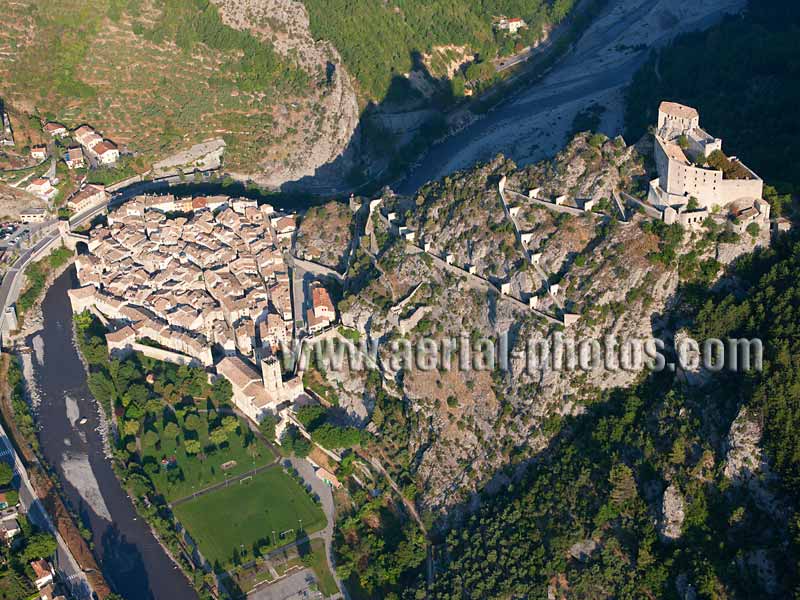
The citadel of Entrevaux was strategically built on a rocky spur overlooking the medieval village of the same name on the left bank of the Var River. The citadel is only accessible via a trail that climbs 156 meters from the village. The vertical walls, placed at regular intervals, were intended to protect foot solders hiking up to the citadel from potential snipers positioned on the other side of the canyon. Entrevaux, Alpes-de-Haute-Provence, Provence-Alpes-Côte d'Azur, France.
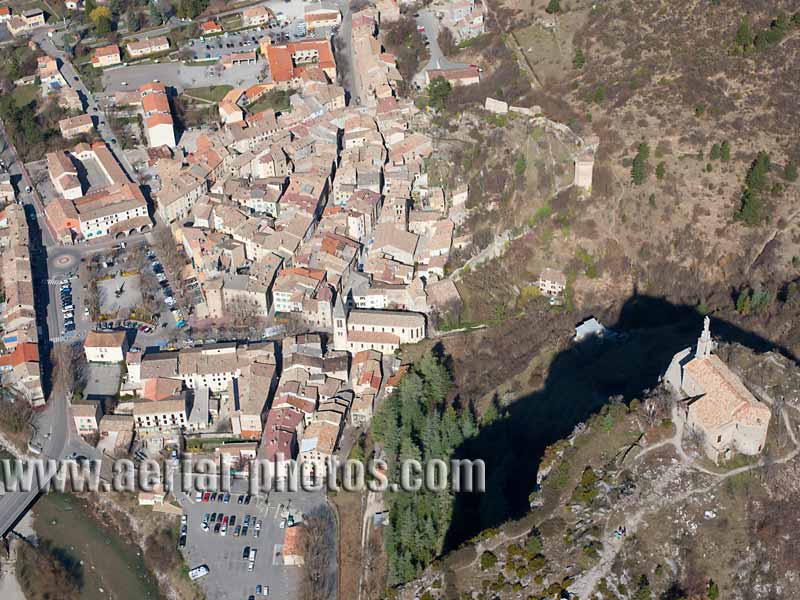
Perched atop an imposing limestone cliff, the Chapel of Our Lady of the Rock overlooks the morning mist that envelops the Verdon Valley. According to historians, it may date back to the 9th century. The archeological site of Petra Castellana, located to the right of the chapel, is a medieval village that was abandoned in the late 13th century. Castellane, Alpes-de-Haute-Provence, Provence-Alpes-Côte d'Azur, France.
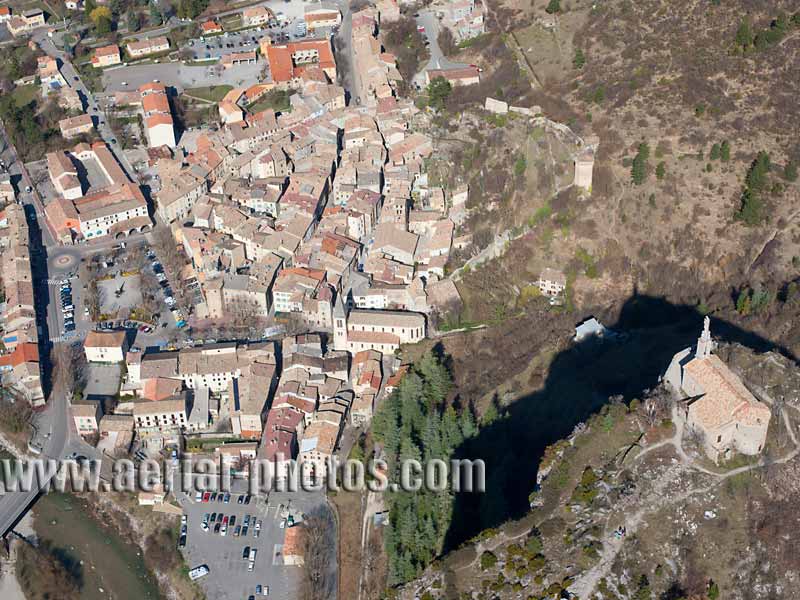
Chapel of Our Lady of the Rock overlooking the medieval town of Castellane and the Verdon River, 180 meters below. Castellane is a very popular tourist destination in the summer. It is a picturesque getaway a short distance from the Verdon Gorge which is renowned for its kayaking and challenging rock climbing opportunities. Castellane, Alpes-de-Haute-Provence, Provence-Alpes-Côte d'Azur, France.
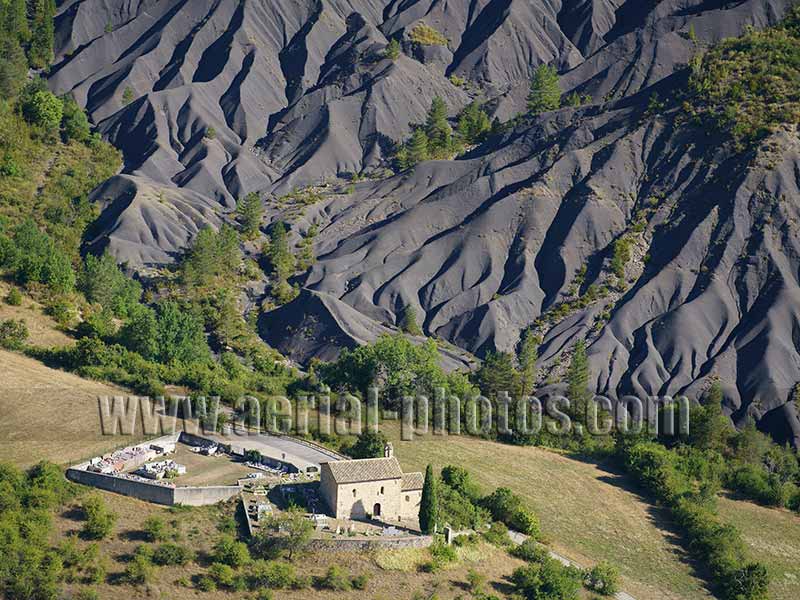
The Chapel of Saint-Pons is a chapel built in the 12th century in the remote village of La Robine-sur-Galabre. It has a picturesque background of furrowed black marl. The site is within the UNESCO Geopark of Haute-Provence, a territory of over 2000km2 with many unique geological curiosities. La Robine-sur-Galabre, Alpes-de-Haute-Provence, Provence-Alpes-Côte d'Azur, France.
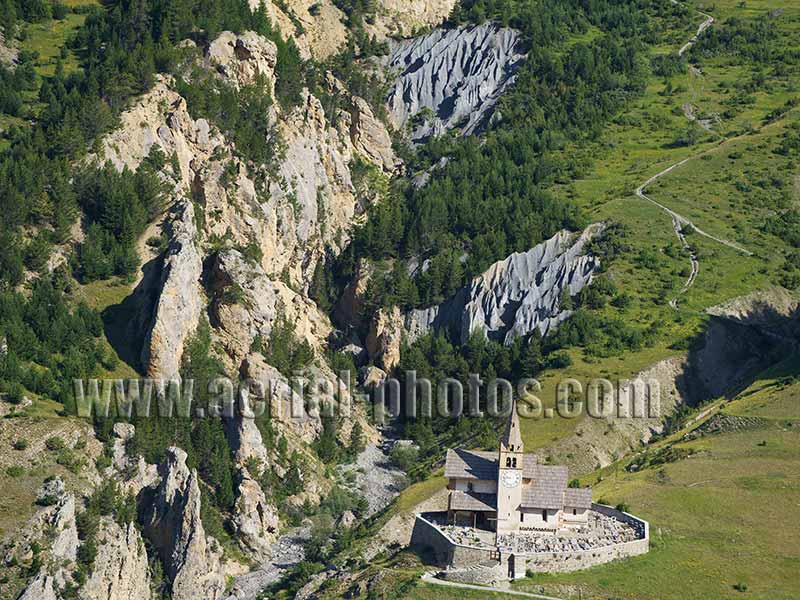
The Church of Saint-Michel is a chuch built in the 15th century near the village of Cervières. It stands at an elevation of 1660 meters on the rim of the picturesque Villard Canyon. The church is located along a scenic byway leading to one of the Alps’ most beautiful mountain passes, the Col d’Izoard. Cervières, Hautes-Alpes, Provence-Alpes-Côte d'Azur, France.
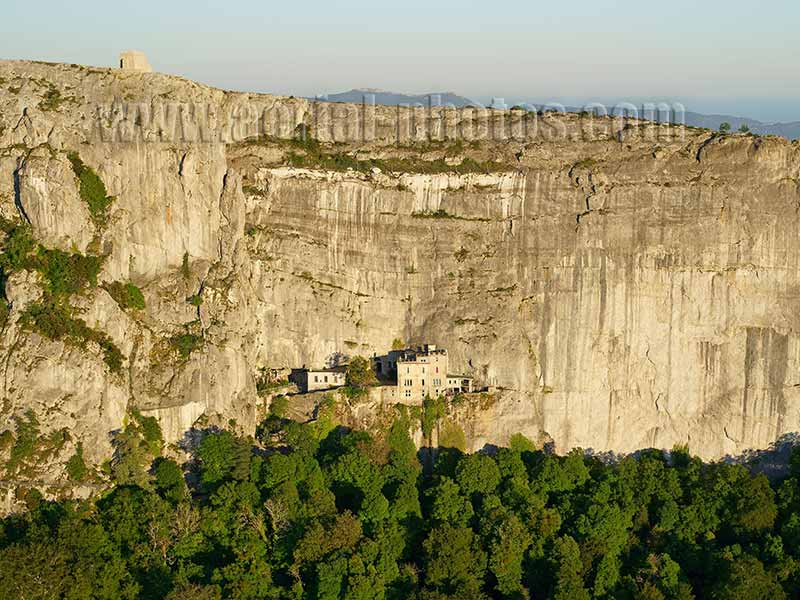
The Sainte-Baume is a spectacular limestone cliff stretching for 12 kilometers. Built in a natural cave at an elevation of 894 meters, the Sanctuary of Sainte-Baume is one of the oldest pilgrimage site in the Christian world. At an elevation of 994 meters, the Saint-Pilon Chapel stands at the clifftop’s edge. Plan-d'Aups-Sainte-Baume, Bouches-du-Rhône, Provence-Alpes-Côte d'Azur, France.
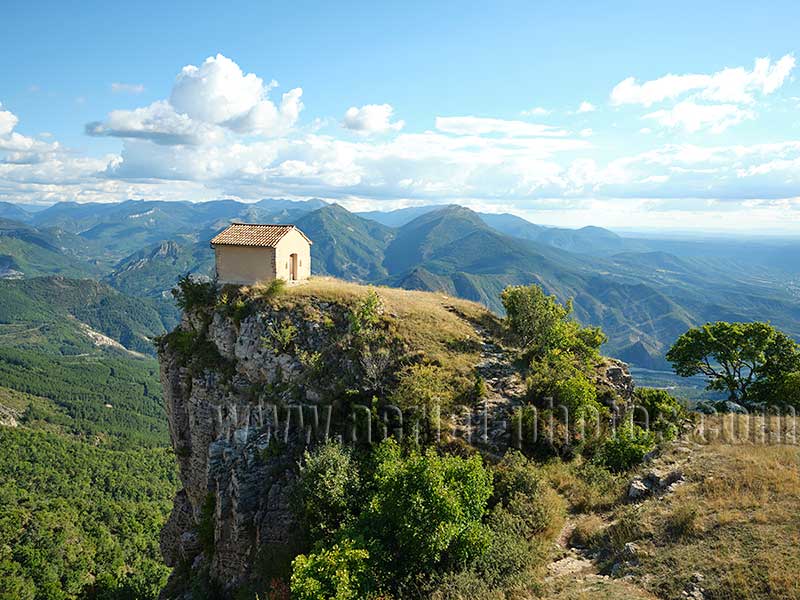
Saint-Michel-de-Cousson Chapel is a small chapel built in 1894 and restored in 1983 on a site where the first chapel is believed to date back to 1035 CE. It is located at the very edge of a cliff at an elevation of 1480 meters and overlooks the Asse River 900 meters below. Châteauredon, Alpes-de-Haute-Provence, Provence-Alpes-Côte d'Azur, France.
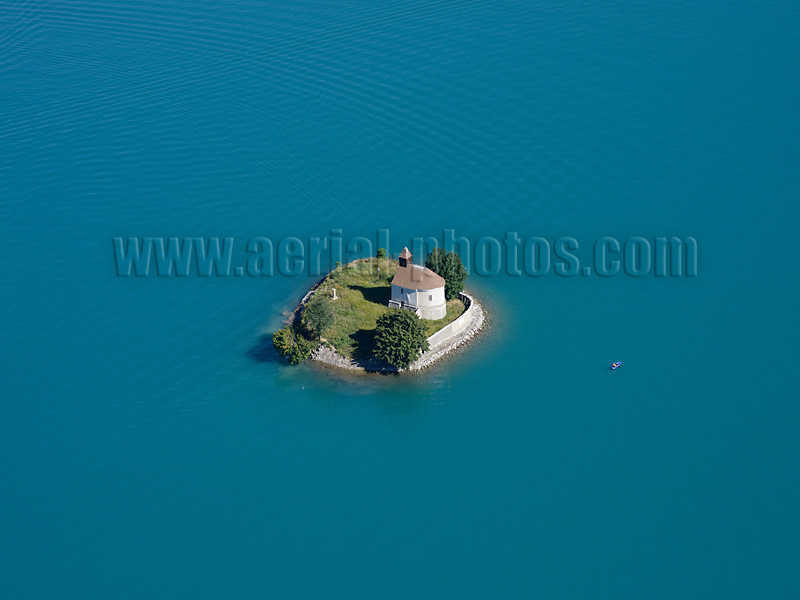
In the 12th Century, a chapel was built on a hill above the Durance River near Embrun. Destroyed in 1692 during a regional conflict, it was rebuilt soon after. The hill became an islet in 1961 when Lake Serre-Ponçon, a reservoir on the Durance River, was created. In the winter, at the lake’s lowest water level, the chapel can be reached by foot. Prunières, Hautes-Alpes, Provence-Alpes-Côte d'Azur, France.
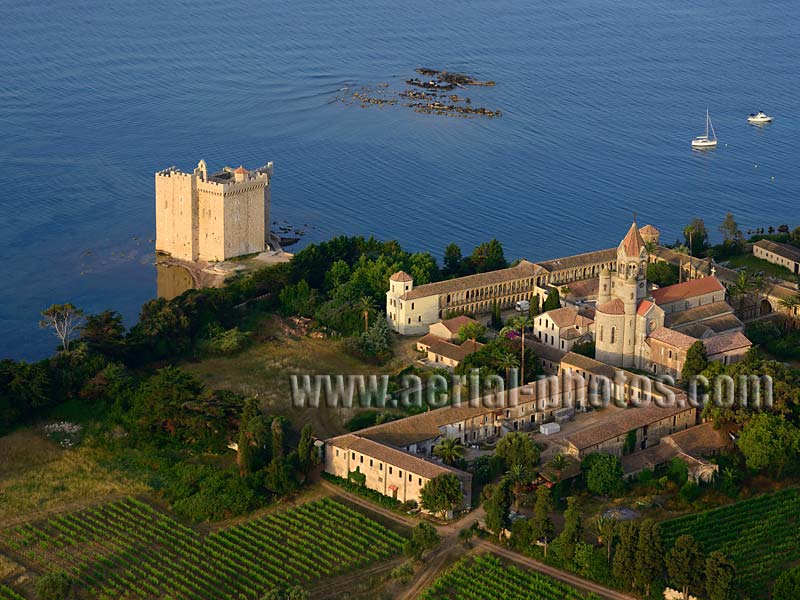
Lérins Abbey is located on Saint-Honorat Island in the Bay of Cannes. The island was uninhabited until the 5th century, then a local hermit settled there, soon followed by a monastic community. Construction of the current monastery buildings began in the late 11th Century. Today, Cistercian monks cultivate silence a short distance from the hustle and bustle of the French Riviera. Cannes, Alpes-Maritimes, Provence-Alpes-Côte d'Azur, France.
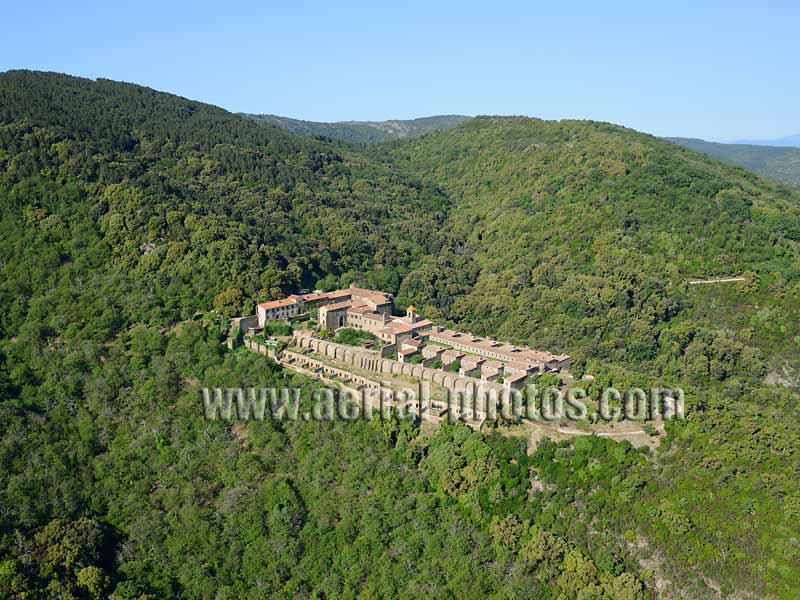
Isolated in the heart of the Maures Forest, La Verne Charterhouse was founded in the 12th Century. This Carthusian Monastery had its share of hardships; 3 fires in the 13th and 14th Centuries, pillages, and the forced departure of the monks in 1792 during the French Revolution. Owned by the French state from 1792 until the 1980s, it was subsequently occupied by the Monastic Family of Bethlehem. Collobrières, Var, Provence-Alpes-Côte d'Azur, France.
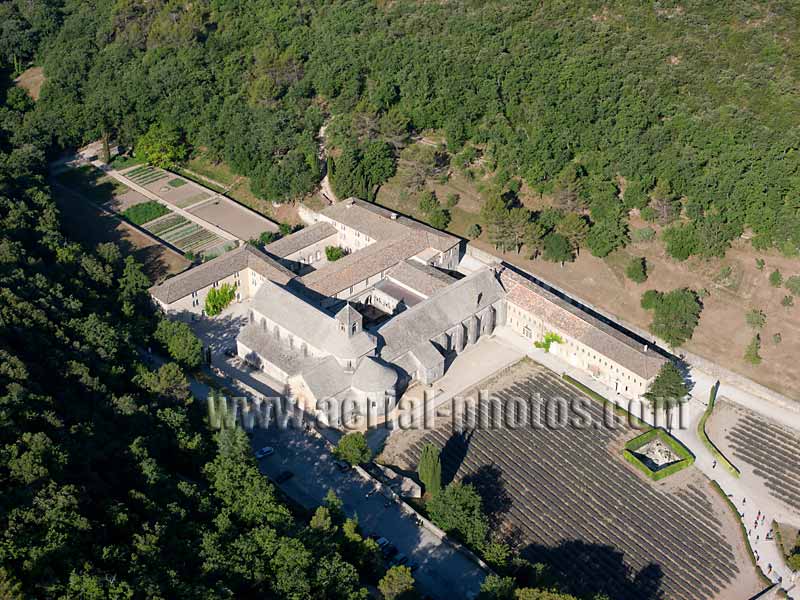
Sénanque Abbey. Gordes, Vaucluse, Provence-Alpes-Côte d'Azur, France.
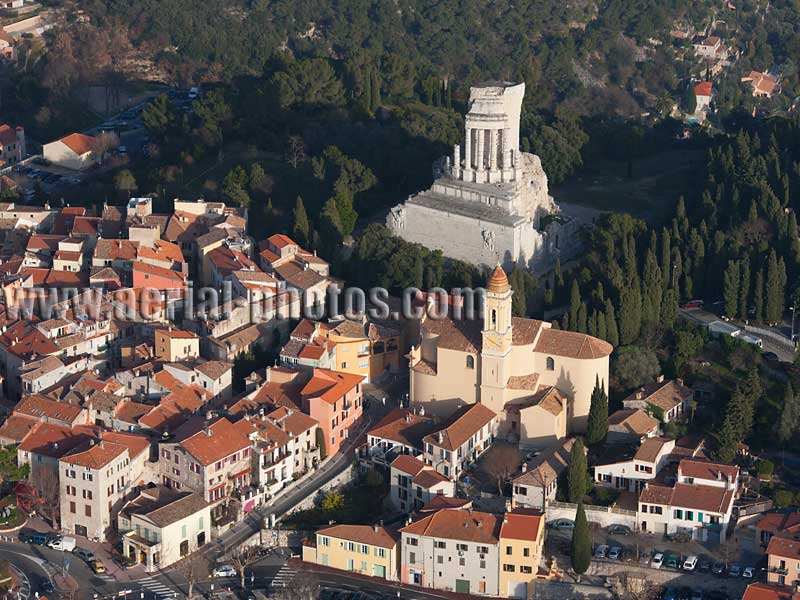
Roman Empire Ruin (6 B.C.), Augustus Trophy. La Turbie, French Riviera, Provence-Alpes-Côte d'Azur, France.
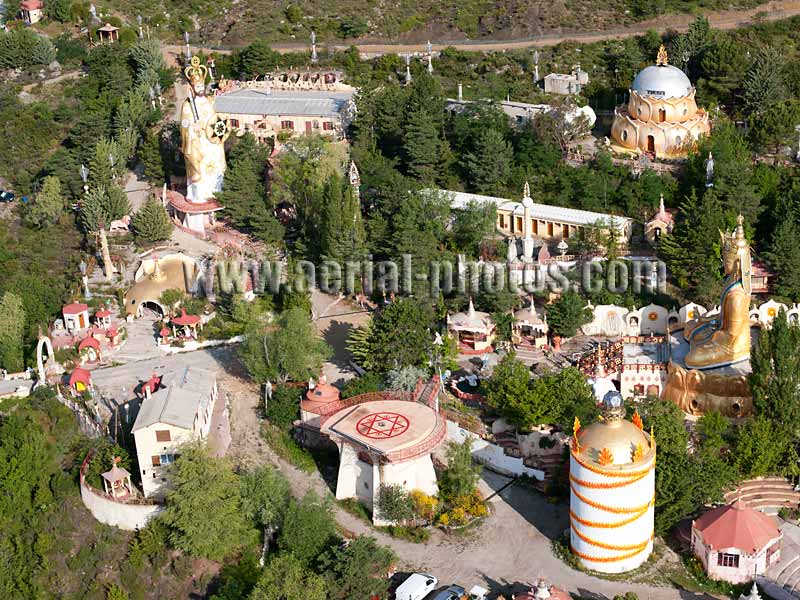
Mandarom. Castellane, Alps, Provence-Alpes-Côte d'Azur, France.